

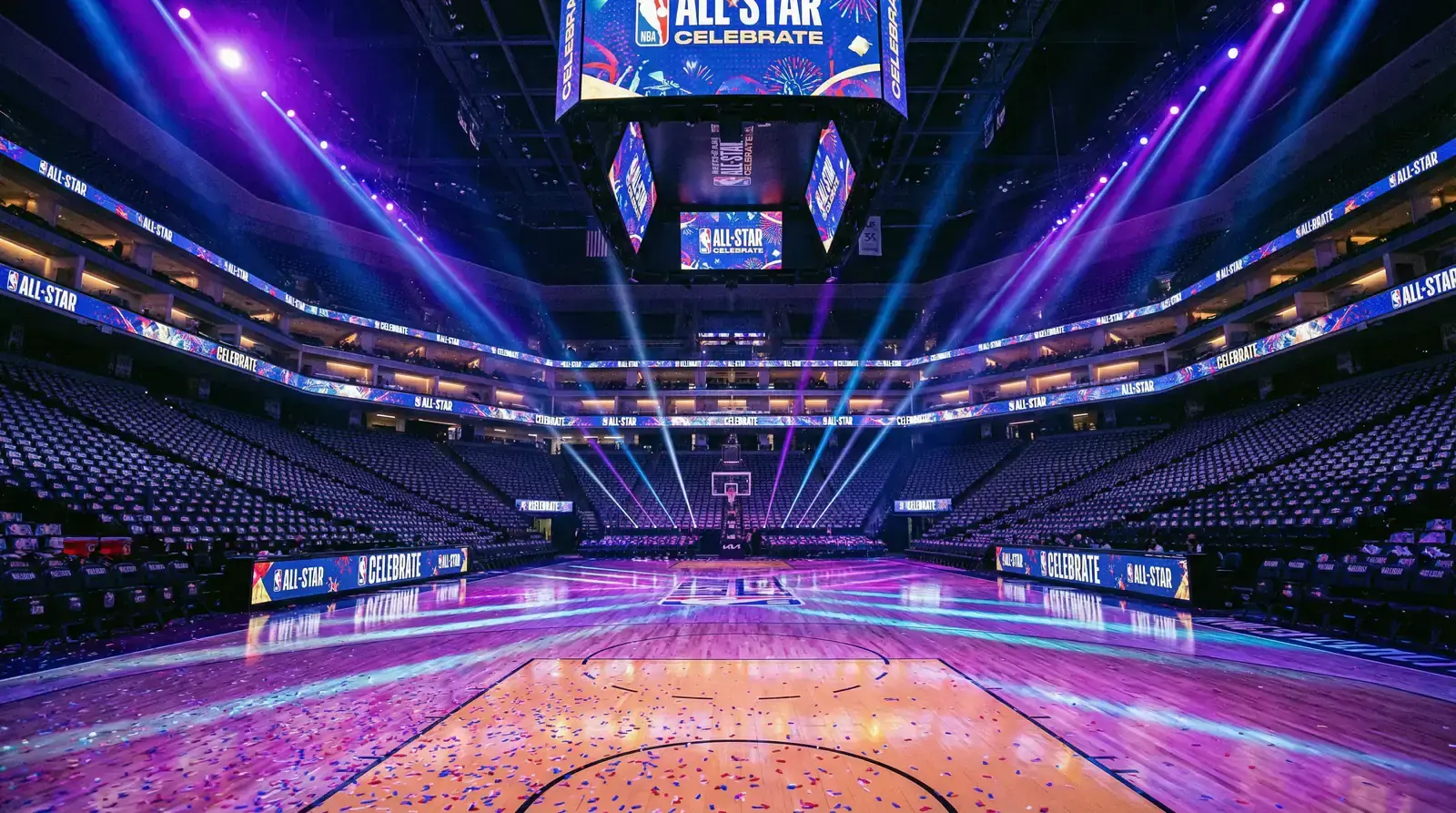
The 2022 All-Star Game taught everyone a lesson about exhibition betting. After years of defensive indifference producing 300+ combined points, the Elam Ending created genuine competition down the stretch. What seemed like an obvious over suddenly became a sweat as both teams actually tried. Exhibition betting requires accepting that rules and effort levels change everything.
All-Star Weekend offers betting markets throughout its multi-day format, but these events operate fundamentally differently from regular season games. Understanding what motivates players in exhibition settings – and what does not – helps navigate markets that reward different analysis than typical NBA betting.
NBA All-Star Match Betting Formats
The All-Star Game features the league’s best players selected through fan, player, and media voting. Team captains draft rosters creating matchups that regular season scheduling never produces. This draft format means team composition varies annually with no historical precedent for specific roster combinations.
The Elam Ending replaced traditional timed conclusions. Instead of playing four quarters to a final buzzer, the fourth quarter becomes untimed with a target score set at the leading team’s score plus 24 points. The first team reaching that target wins, creating genuine competitive tension unavailable in traditional exhibition formats.
NBA viewership has surged significantly, with Christmas Day 2025 games attracting over 47 million viewers – the best results in 15 years. That heightened attention extends to All-Star Weekend, driving robust betting markets despite the exhibition nature of events.
The game features reduced defensive intensity through most quarters before competitive effort emerges approaching the target score. This bifurcated structure creates unusual scoring patterns where totals projections must account for both indifferent early play and focused finishing stretches.
All-Star Game Betting Markets
Spread betting applies despite the exhibition format. One team receives points based on roster composition and perceived advantages. These spreads reflect anticipated competitiveness rather than the meaningful seeding implications driving regular season lines.
Totals markets typically set high numbers reflecting historical scoring patterns. All-Star Games regularly exceed 300 combined points during stretches when defence was entirely optional. The Elam Ending has moderated some scoring expectations by creating defensive incentives near game conclusions.
MVP props attract significant action as bettors predict which star will earn the showcase honour. Historical patterns suggest high-usage players on winning teams receive votes, but narrative factors and memorable moments influence voting beyond pure statistical performance.
Quarter and half betting exists but carries extreme unpredictability. First quarters often see casual play as players ease into exhibition mode. Fourth quarters under the Elam Ending feature unpredictable lengths depending on target score proximity. Period betting in All-Star Games resembles guessing more than analysis.
Three-Point Contest and Dunk Contest
The Three-Point Contest provides more predictable betting than the main game. Participants are known elite shooters, historical performance data exists, and the format rewards consistent excellence. Favourites based on regular season shooting percentages often deliver.
Dunk Contest outcomes prove notoriously difficult to predict. Judging involves subjective scoring, creative execution matters beyond athletic ability, and unknown dunks can surprise judges and audiences alike. Historical dominance in contests does not reliably predict future results.
Skills Challenge and Rising Stars formats change periodically, complicating analysis based on historical patterns. When the NBA modifies competition structures, betting edges derived from previous formats become irrelevant. Check current year rules before analysing based on past events.
Prop betting on individual event performances – will Player X exceed Y points in the Three-Point Contest – offers targeted wagering opportunities. These props price individual excellence against specific thresholds with clearer analytical paths than predicting overall winners.
Why Exhibition Games Are Unpredictable
Player effort varies based on factors invisible to outside observers. Some stars embrace All-Star Weekend showcase opportunities while others coast through exhibitions protecting their bodies for playoff pushes. Predicting which players try hard in meaningless games requires guessing at motivation.
Defensive intensity barely exists for most All-Star Game minutes. Players do not risk injury defending exhibitions seriously. This defensive absence inflates offensive statistics beyond anything regular season performance suggests, making prop projections unreliable.
Rest and injury considerations affect participation unpredictably. Players dealing with minor issues sometimes withdraw shortly before events. Others play through discomfort that affects performance without officially limiting availability. Late scratches disrupt prop positions without recourse.
Entertainment value motivates decisions that competitive basketball would not produce. Players attempt difficult shots for highlight purposes, defer to friends for memorable moments, and prioritise showmanship over winning. These entertainment-driven decisions defy prediction.
Historical All-Star Betting Trends
Total scoring patterns shifted meaningfully with the Elam Ending introduction. Pre-Elam games regularly exceeded 350 combined points as neither team defended. Post-Elam totals have compressed somewhat as the target score creates late defensive incentives.
MVP voting tends toward players on winning teams with memorable performances. Triple-doubles, highlight dunks, and fourth-quarter heroics generate votes more than steady efficiency throughout. Narrative matters alongside statistics when projecting MVP outcomes.
Home court historically provides modest advantages as local fans energise hometown players. When All-Star Games land in a participant’s home city, their MVP odds often shorten accordingly. Fan voting advantages compound with home crowd support.
Three-Point Contest favourites cash at reasonable rates compared to other All-Star props. Elite shooters generally shoot well in controlled settings. When betting skill competitions, the most skilled participants deserve consideration despite compressed odds.
Approaching All-Star Weekend Sensibly
Treat All-Star betting as entertainment rather than profit opportunity. The exhibition nature creates unpredictability that regular season analysis cannot overcome. Small stakes on enjoyable props enhances viewing without serious bankroll risk.
Focus on skill competitions over the main game if seeking edges. Three-Point Contest outcomes correlate more strongly with ability than Dunk Contest judging or All-Star Game effort levels. Predictable formats reward analysis better than chaotic exhibitions.
Research participant histories before betting contests. How have specific players performed in previous All-Star competitions? Do they rise to showcase occasions or struggle under bright lights? Historical patterns, while imperfect, provide more foundation than guessing.
Monitor betting line movements carefully during All-Star Weekend. Sharp money sometimes identifies value in exhibition markets that casual bettors miss. Following line movement patterns reveals where informed bettors see opportunity.
Avoid overexposure across multiple All-Star props. The temptation to bet everything during the festive weekend creates cumulative risk from correlated exhibition outcomes. Selective engagement on highest-conviction positions protects against exhibition variance. For regular season betting that rewards analysis properly, the NBA betting guide covers markets where preparation translates to results.
