

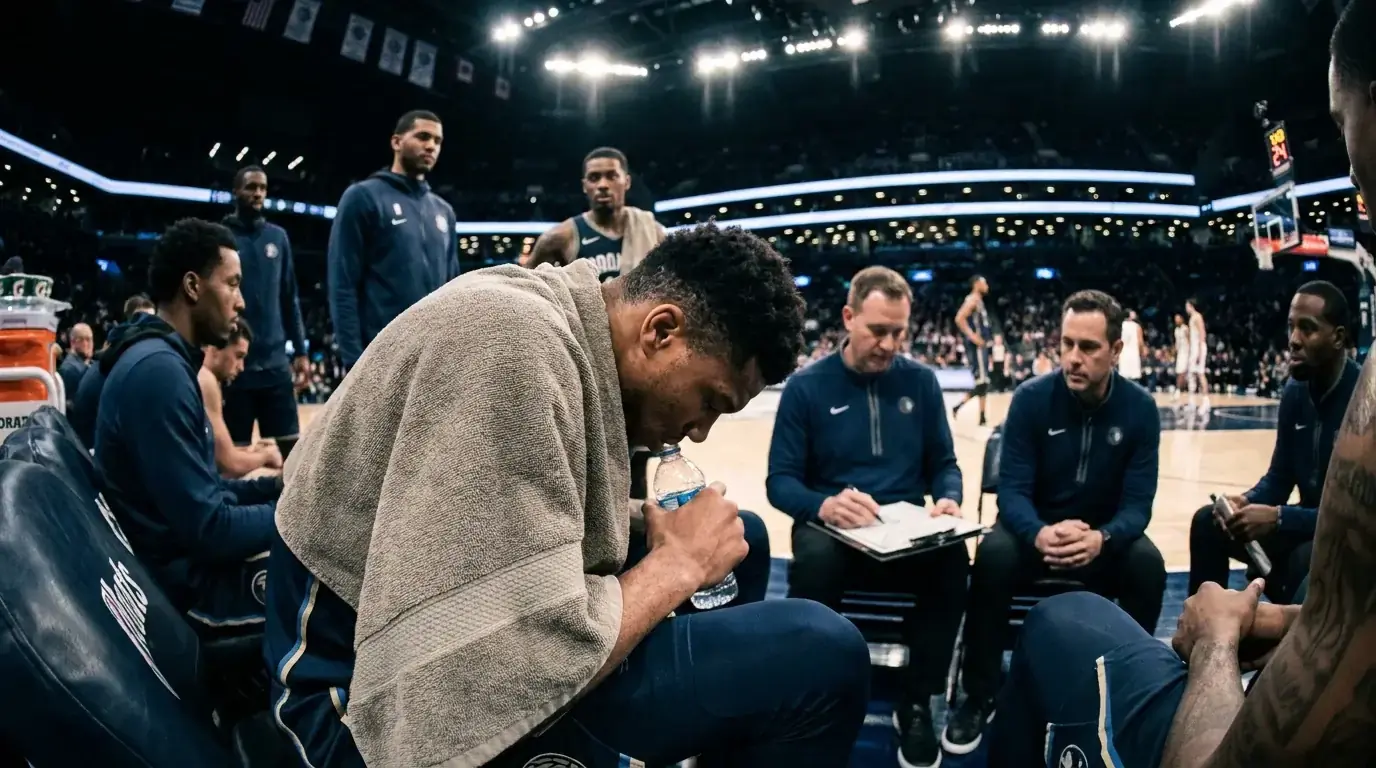
February basketball tells truths that October hides. I started tracking back-to-back performance after noticing contenders stumbling through mid-season stretches against inferior opponents. The pattern was too consistent to ignore – teams playing consecutive nights showed measurable decline that betting markets did not always price accurately.
Back-to-back situations create some of the most exploitable edges in NBA betting. The physical demands of playing elite basketball two nights running affect everything from shooting percentages to defensive intensity. Understanding and quantifying these fatigue effects separates informed bettors from those treating every game equally.
Evaluating NBA Back-to-Back Match Statistics
Academic research examining thousands of NBA games confirms what observation suggests – fatigue from back-to-back games affects team performance by 1-3 points on average. That margin might seem small, but in a market where spreads routinely settle within that range, systematic edge becomes meaningful.
The impact varies by team composition and travel. Young athletic rosters absorb fatigue better than veteran squads relying on experience over explosiveness. Road back-to-backs hitting different time zones show larger performance drops than home-home sequences where players sleep in familiar beds.
Offensive efficiency suffers most consistently. Three-point percentages drop, transition opportunities decrease as legs tire, and half-court execution becomes laboured. Defensive effort varies more unpredictably – some fatigued teams surrender easy buckets while others compensate through conservative schemes that limit opponent possessions.
Fourth quarter performance particularly declines in back-to-back situations. When games tighten late, tired legs struggle to execute in clutch moments. Teams playing their second consecutive night tend to underperform closing-time expectations even when they hung competitively through three quarters.
How B2B Affects Point Spreads
Bookmakers build back-to-back adjustments into their spreads, but inconsistently. Some games price fatigue accurately while others underweight the impact. Finding those discrepancies requires systematic tracking rather than assuming all back-to-back situations offer value.
The team on rest often receives 1-2 points less than equivalent spreads without the scheduling advantage. If a rested team would normally be -6 favourites, facing a back-to-back opponent might push that line to -7.5 or -8. Your edge comes from assessing whether that adjustment matches actual fatigue impact.
Context matters immensely. A back-to-back against a division rival might produce more effort than a random mid-season game with rest. Motivation can partially overcome fatigue in meaningful contests while irrelevant games see fatigued teams mail in performances.
Travel compounds back-to-back effects. Teams playing in Los Angeles on Friday then Denver on Saturday face altitude adjustment on top of consecutive-game fatigue. Those compounding factors deserve additional spread consideration beyond simple back-to-back adjustments.
Back-to-Back Games and Totals
Fatigue affects totals through multiple mechanisms. Tired legs produce worse shooting percentages, which should push totals lower. But fatigued defence also surrenders easier baskets, which could push totals higher. The net effect depends on which factor dominates in specific matchups.
Pace typically slows when fatigued teams play. Transition opportunities decrease because tired players do not run as hard in either direction. Half-court possessions lengthen as teams walk the ball up rather than pushing tempo. These pace effects generally favour unders.
When one team plays back-to-back while the opponent rests, the fresh team often dictates pace. A rested uptempo squad facing a fatigued opponent might actually produce elevated scoring despite fatigue factors – they control tempo while the tired team cannot keep up defensively.
Only 19% of NBA games remain within 10 points entering the fourth quarter, and back-to-back fatigue often produces blowouts where one side simply cannot compete physically. Those lopsided games feature garbage time that can distort totals in either direction depending on how backups perform.
Load Management and Betting
Modern NBA load management has transformed back-to-back betting. Teams routinely rest star players on consecutive-night games, particularly on the second night of road back-to-backs. Zoë Osmond of GambleAware noted that transparency matters in gambling contexts – the same applies to understanding how rest decisions affect betting outcomes.
Monitoring injury reports becomes essential before back-to-back games. Designations often appear late, sometimes just hours before tip-off. Bettors tracking team tendencies know which organisations aggressively rest players and which push through fatigue.
When stars sit, line movements can be dramatic but sometimes insufficient. A team losing their 25-point scorer sees spreads adjust 4-5 points, but actual performance might decline more significantly if remaining players struggle in expanded roles.
Young star players increasingly avoid back-to-back rest. Teams protecting long-term investments in veteran superstars now balance that against development concerns for young cornerstones who need game experience. Tracking organisational philosophies helps predict rest decisions.
Identifying B2B Opportunities
Not all back-to-back situations offer equal value. The combination of travel, opponent quality, rest differential, and roster composition creates varying degrees of exploitable edge. Systematic filtering identifies the strongest opportunities.
Road back-to-backs with time zone changes create maximum fatigue impact. A team flying from the East Coast to play consecutive games in the Pacific time zone faces the harshest conditions. Bodies struggle to adjust to three-hour time shifts overnight.
Schedule analysis before the season identifies likely rest games. When teams face back-to-backs before or after high-profile matchups, they often rest starters for the lesser game. Anticipating these decisions positions bets before line movements occur.
Divisional back-to-backs sometimes see elevated effort despite fatigue. Rivalry intensity overcomes tired legs when standings implications or pride factor into motivation. Apply standard fatigue adjustments cautiously in emotionally charged matchups.
Turning Fatigue Into Edge
Back-to-back betting rewards patient, systematic approaches. Building databases of team performance in fatigue situations, tracking rest decision patterns, and monitoring travel schedules creates informational advantages that occasional bettors cannot match.
Start by identifying teams with consistent back-to-back tendencies – those who reliably struggle or reliably push through. Your tracking should include not just wins and losses but spread performance and totals outcomes across different back-to-back contexts including home versus road situations.
Look for compounding factors that amplify fatigue effects. Back-to-back games combined with altitude changes, time zone shifts, or rivalry intensity create situations where standard adjustments might prove insufficient. Multiple stress factors deserve additional consideration beyond simple rest disadvantage pricing.
Combine fatigue analysis with other edges rather than treating it in isolation. A back-to-back spot where you also hold spread value from independent analysis compounds your edge. Multiple confirming factors strengthen positions that single factors cannot justify alone. The comprehensive NBA betting guide covers how various edges integrate into cohesive betting approaches.
