

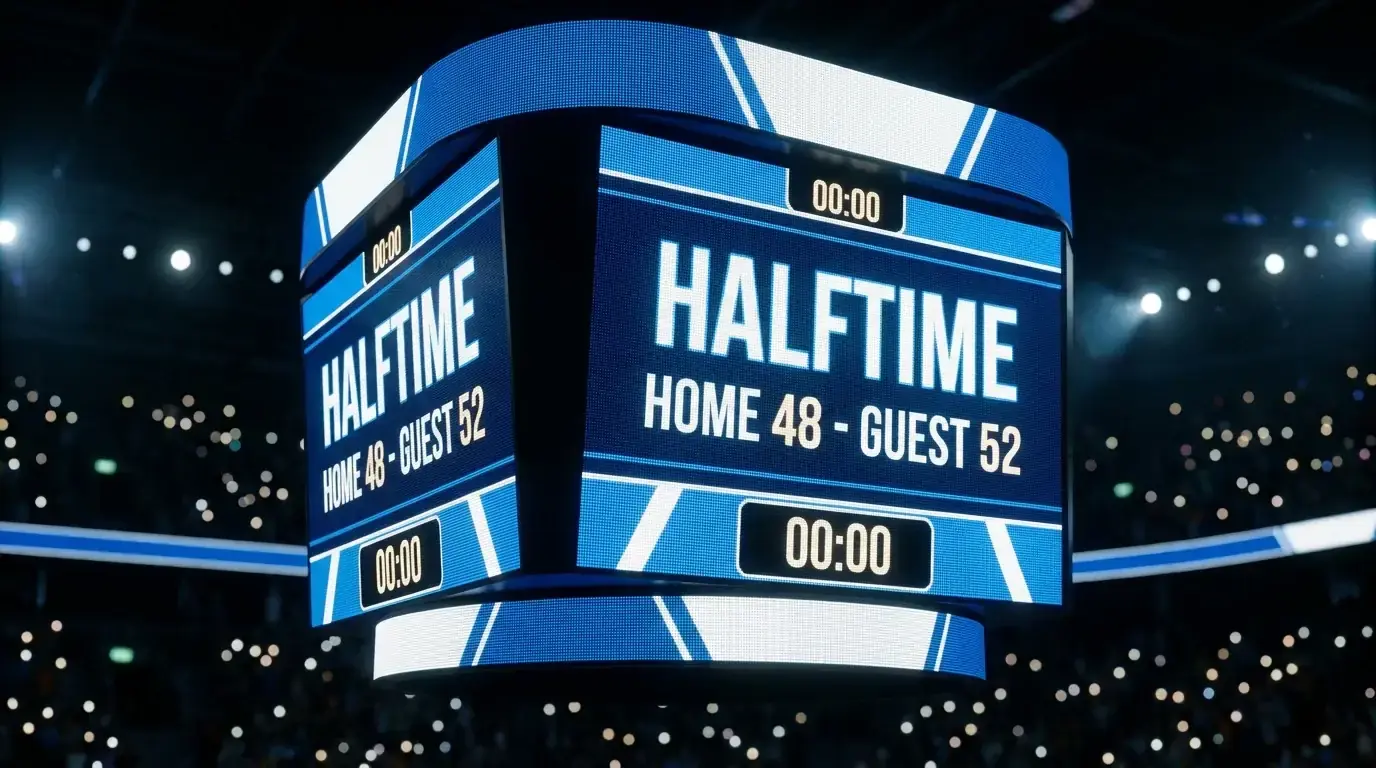
The Lakers trailed by 14 at halftime, and my Home/Away double result ticket looked finished. Then LeBron happened – 28 second-half points, a complete defensive transformation, and a final margin of plus-8. That comeback paid nearly 7 to 1 because the market had written off what proved to be a predictable response from a championship-calibre team.
Double result betting – predicting both halftime and fulltime leaders – creates betting opportunities unavailable in standard markets. These wagers reward understanding of team tendencies, second-half adjustments, and game script patterns that single-result betting ignores.
Pricing NBA Halftime Fulltime Betting Odds
Double result betting asks two questions: who leads at halftime, and who wins the game? Your selection must correctly predict both outcomes. Nine possible combinations exist – Home/Home, Home/Draw, Home/Away, Draw/Home, Draw/Draw, Draw/Away, Away/Home, Away/Draw, and Away/Away.
Halftime draws remain possible in basketball unlike many sports. Games tied at the half create draw outcomes for that component of double result wagers. The fulltime component rarely produces draws since overtime settles ties.
Research shows that 19% of NBA games remain within 10 points entering the fourth quarter. This close-game frequency means halftime and fulltime outcomes often align differently than blowout assumptions suggest. Many games produce legitimate comeback scenarios.
Odds reflect combined probability of both components. Home/Home outcomes carry shorter odds because favourites leading at halftime and winning represents the most common result. Comeback scenarios offer longer odds reflecting their lower probability but higher potential returns.
All Nine Possible Outcomes
Home/Home: The home team leads at halftime and wins the game. This outcome occurs most frequently when home favourites control games from start to finish. Odds typically range from 1.80 to 2.50 depending on matchup quality.
Home/Away: The home team leads at halftime but loses the game. This comeback scenario offers meaningful odds, typically 8.00 to 15.00, but requires the visitor mounting significant second-half rallies against home teams protecting leads.
Away/Away: The visiting team leads at halftime and wins. When road favourites control games throughout, this outcome emerges. Pricing varies widely based on favourite status, sometimes offering value when road teams possess clear quality advantages.
Away/Home: Visitors lead at halftime but lose – the classic home comeback narrative. Odds often range from 6.00 to 12.00, creating attractive returns when home teams possess superior talent but start slowly.
Draw outcomes add complexity. Halftime ties create Draw/Home or Draw/Away possibilities, while hypothetical fulltime ties (resolved by overtime) would create draws that rarely appear in actual results.
NBA Comeback Frequency
NBA teams trailing at halftime win approximately 20-25% of games, making comebacks common enough to warrant betting consideration. Unlike low-scoring sports where halftime leads prove more durable, basketball’s high-possession nature enables significant second-half swings.
Elite teams come back more frequently than struggling squads. Championship contenders trailing at halftime often adjust effectively, leveraging superior talent and coaching to overcome deficits. Tracking team-specific comeback rates identifies which organisations provide reliable second-half value.
Deficit size affects comeback probability substantially. Teams trailing by 5 points come back at vastly different rates than those trailing by 20. Double result pricing should reflect deficit expectations based on matchup analysis rather than treating all trailing scenarios equally.
Second-half defensive adjustments drive many comebacks. Teams conceding early points often tighten defensively while maintaining offensive production. When halftime deficits reflect unsustainable opponent shooting rather than systemic issues, comeback probability increases.
Finding Value in Double Results
Slow-starting teams with strong finishes provide consistent double result value. Some organisations routinely trail early before overwhelming opponents late. These patterns persist across seasons when rosters and coaching remain stable.
The DraftKings and FanDuel platforms noted significant customer reengagement when NBA seasons begin, reflecting the sport’s betting popularity. That engagement creates liquid double result markets where value opportunities emerge from inefficient pricing.
Mismatch games sometimes offer unexpected double result value. Heavy favourites occasionally start slowly against motivated underdogs before asserting dominance. The Away/Home or Draw/Home outcome in these games sometimes prices attractively given the favourite’s ultimate winning probability.
Back-to-back fatigue creates double result angles. Tired teams might lead early with adrenaline before fading late as exhaustion accumulates. Betting against fatigued teams maintaining halftime leads captures this dynamic specifically.
When Double Result Bets Make Sense
Double result betting suits situations where halftime and fulltime projections differ meaningfully. When you expect the same team to lead throughout, standard moneyline or spread bets offer better value with simpler resolution.
Teams with documented comeback tendencies warrant double result consideration. Historical patterns of trailing early and winning late justify betting structures that capture both components at enhanced odds.
High-variance games between evenly matched teams create double result opportunities. When either team might lead at various points, different combinations offer value depending on your assessment of game flow probabilities.
Avoid double result bets when blowout probability seems high. Lopsided matchups usually produce consistent leaders from start to finish, making the double result structure unnecessary. Standard markets suffice when outcomes appear obvious.
Adding HT/FT to Your Strategy
Double result markets expand your NBA betting toolkit without requiring fundamentally different analysis. The skills used for spread and moneyline betting – understanding team quality, matchup dynamics, and situational factors – apply directly to double result selection.
Start tracking first-half versus second-half performance for teams you analyse regularly. Which organisations start fast and fade? Which consistently rally from deficits? This data supports double result betting decisions grounded in actual tendencies.
Keep double result stakes modest relative to standard bets. The additional variable increases variance even when analysis proves sound. Managing exposure appropriately protects against legitimate losing stretches inherent in multi-outcome wagering. For foundational NBA betting principles, the comprehensive guide covers analysis frameworks that support all market types.
