

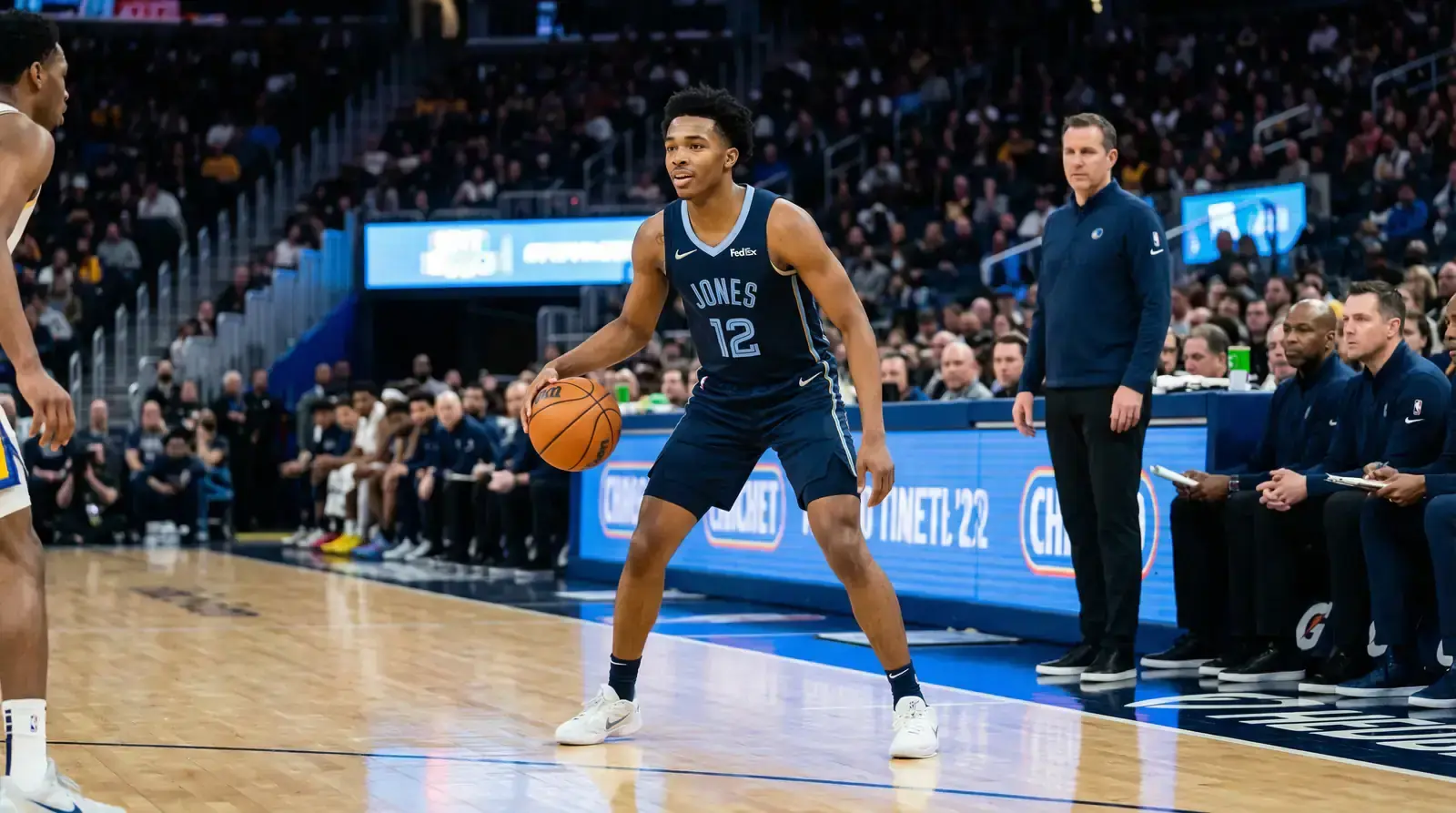
Everyone assumed the number one pick would cruise to Rookie of the Year. Then a second-round selection from overseas started producing triple-doubles, and the race became genuinely competitive. I had grabbed that sleeper at 25.00 after watching his summer league performance show NBA-ready skills the market had not priced. Rookie of the Year betting rewards those who evaluate talent independent of draft position hype.
The Rookie of the Year award recognises the best first-year player in the NBA, creating a futures market where draft position, team situation, and opportunity projections all factor into betting decisions. Understanding what actually produces winning candidacies helps navigate this unique market.
NBA Rookie of the Year Voting Patterns
Media members vote for Rookie of the Year using ranked ballots identical to other individual awards. First-place votes carry most weight, making dominant performances more valuable than consistent excellence without signature moments.
Eligibility requires first-year NBA status regardless of age or previous professional experience elsewhere. International players who spent years developing overseas compete against 19-year-olds straight from college, creating varied developmental stages within the rookie class.
Statistical production drives voting more directly than some other awards. Voters seek quantifiable excellence – points, assists, rebounds – that demonstrates immediate NBA impact. Raw numbers matter because voters lack the context to evaluate fit and efficiency that established player awards incorporate.
Team success matters less for ROY than MVP. Voters recognise that rookies rarely control team outcomes, so individual excellence on struggling teams receives consideration that MVP voting would not extend to veterans in similar situations.
Draft Position and Betting Odds
Top draft picks open as heavy ROY favourites because selection position signals talent evaluation consensus. The number one overall pick typically opens around 2.50 to 3.50 while later lottery picks range from 8.00 to 15.00 depending on perceived readiness.
Draft position correlates with opportunity. Top picks receive guaranteed playing time that mid-round selections must earn. More minutes produce more statistics, creating advantages beyond pure talent differences.
However, draft position imperfectly predicts ROY outcomes. Second-round picks have won the award when situation and development aligned favourably. International players arriving with professional experience sometimes outperform younger domestic prospects immediately.
Market adjustment occurs rapidly once summer league and preseason reveal actual readiness. A highly drafted player struggling in early appearances sees odds drift while impressive underdogs see prices compress. Early-season performance matters enormously for market positioning.
Opportunity and Playing Time
Minutes played correlates strongly with ROY candidacy. Rookies need court time to accumulate statistics, making landing spots that guarantee opportunity more valuable than joining stacked rosters where playing time must be earned.
Team depth affects opportunity. A rookie joining a team with established starters at his position faces limited minutes regardless of talent. Conversely, rookies filling obvious roster needs receive immediate chances to prove themselves.
Research shows fatigue affects team performance by 1-3 points in back-to-back situations. Rookie stamina and conditioning influence minute patterns throughout seasons, with some first-year players seeing reduced roles as gruelling schedules accumulate.
Injuries create opportunity shifts. A teammate’s injury might thrust a rookie into expanded roles, transforming his candidacy through circumstances rather than planned development. Monitoring roster health for rookie teams identifies these opportunity shifts.
International Players vs Draft Day Picks
International rookies arriving with professional experience often demonstrate immediate polish that younger draft picks lack. Years of playing against adults overseas translates to NBA readiness that one-and-done college players need time to develop.
Age and experience create advantages. A 23-year-old rookie with professional seasoning competes against 19-year-olds adjusting to NBA speed and physicality. That developmental head start produces statistical excellence from day one.
Market perception sometimes undervalues international prospects. Lack of American college visibility means voters know less about overseas players, creating odds opportunities when talented internationals arrive underpriced.
Adjustment factors vary by league background. European players accustomed to FIBA rules face different NBA adjustments than players from other leagues. Understanding which backgrounds translate most smoothly informs projection accuracy.
Early Season Performance Matters
ROY narratives form quickly. A rookie dominating October and November establishes candidacy that late-season surges struggle to overcome. First impressions create voting momentum that compounds throughout the season.
Live betting opportunities exist as early performance clarifies candidacies. A pre-season longshot producing immediately might still offer value at 12.00 when pre-season favourite odds remain compressed despite underwhelming starts.
Injury timing affects candidacy differently than established player awards. A rookie missing the first month faces significant disadvantage regardless of return performance, while late-season injuries might not derail already-established candidacies.
Statistical benchmarks establish candidacy thresholds. Averaging 15+ points or 7+ assists demonstrates impact levels that voters recognise as award-worthy. Understanding these thresholds helps project which players will receive serious consideration.
